VERTO JUL 2021
How We Overcame Challenges to Create the VERTO Banking System
areeba UX Research UX Strategy Stakeholder Management Cross-functional Collaboration Workshop Facilitation Fintech Team Building
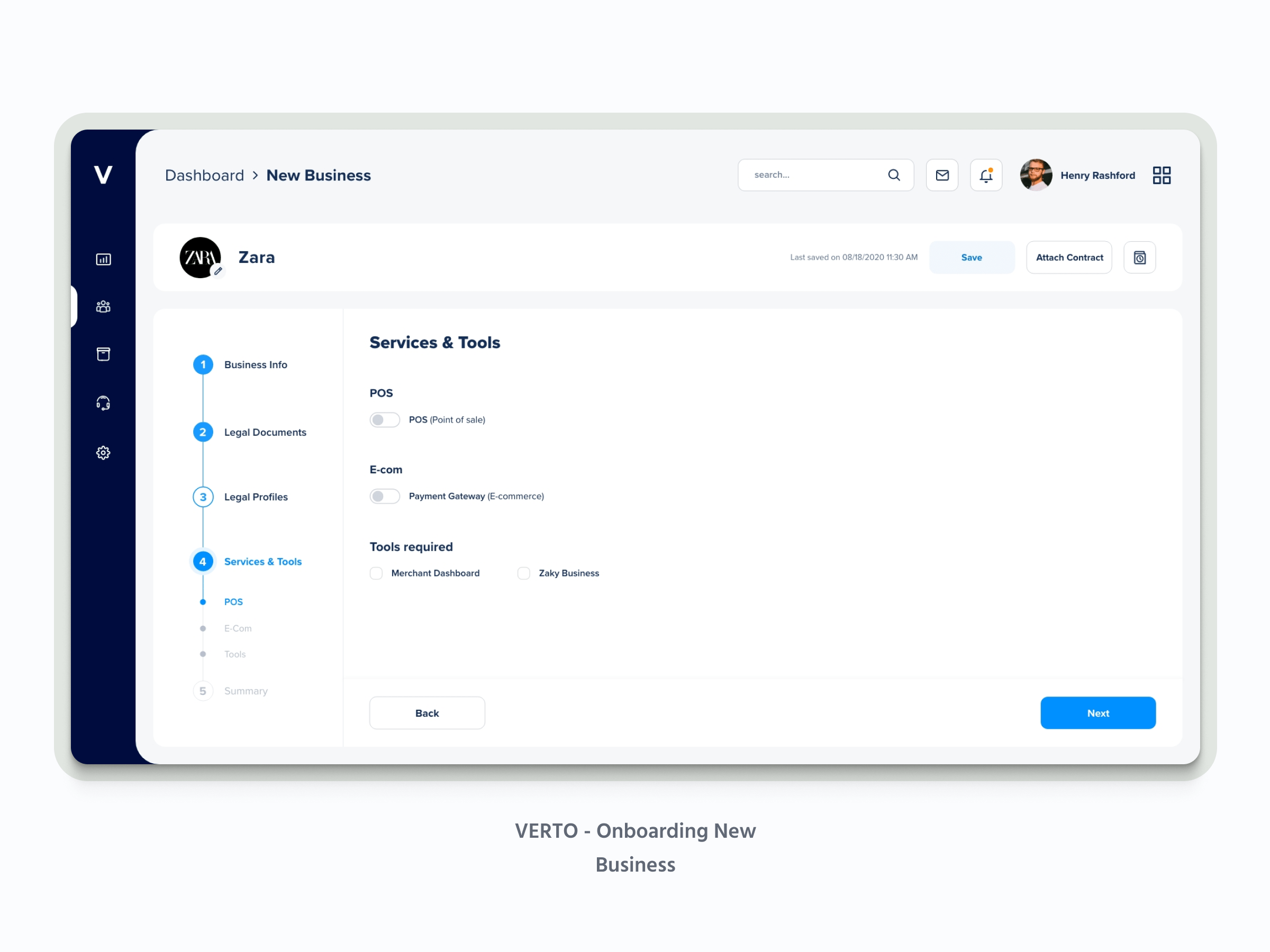
areeba, a big name in Middle Eastern finance, wanted to build VERTO, a full-fledged digital banking system. They'd tried before, but it didn't work out. After working on areeba's Fintech design for a while, I got the chance to lead VERTO's design from the start.
The Challenge: More Than Just Tech
The problem wasn't just the tech. areeba had lost some key people, and the different departments weren't really talking to each other. My first job? Build a team and get everyone working together.
Getting Started: Aligning the Team
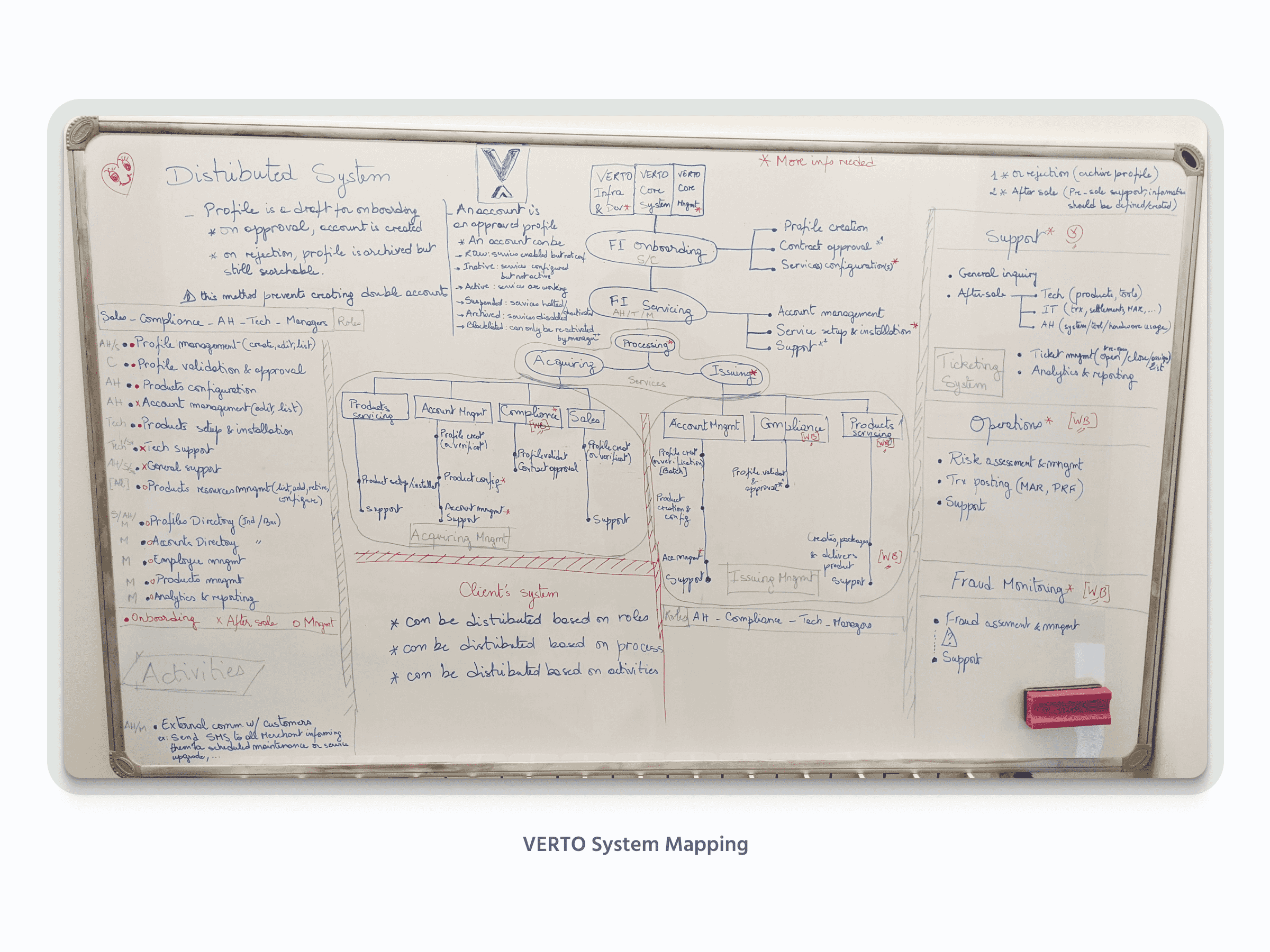
I met with the CEO and managers to get their vision for VERTO, and the feedback on version 1. Then I got to work. The initial steps were simple: talk to all the departments, map out how things worked (it was complicated), and get everyone on the same page. Our first big meeting brought together department heads and the core VERTO team to do just that: build the team, assign roles, and agree on the goals.
Next up: deep dives with each department. I learned how they worked, who did what, the tools they used (including the old, not so great VERTO), the problems they had, and what the testing banks had said.
With all that info, I ran a workshop to review what we'd found, assigned people to dig deeper, and adjust the plan. I did that a lot, really. We were always updating the plan.
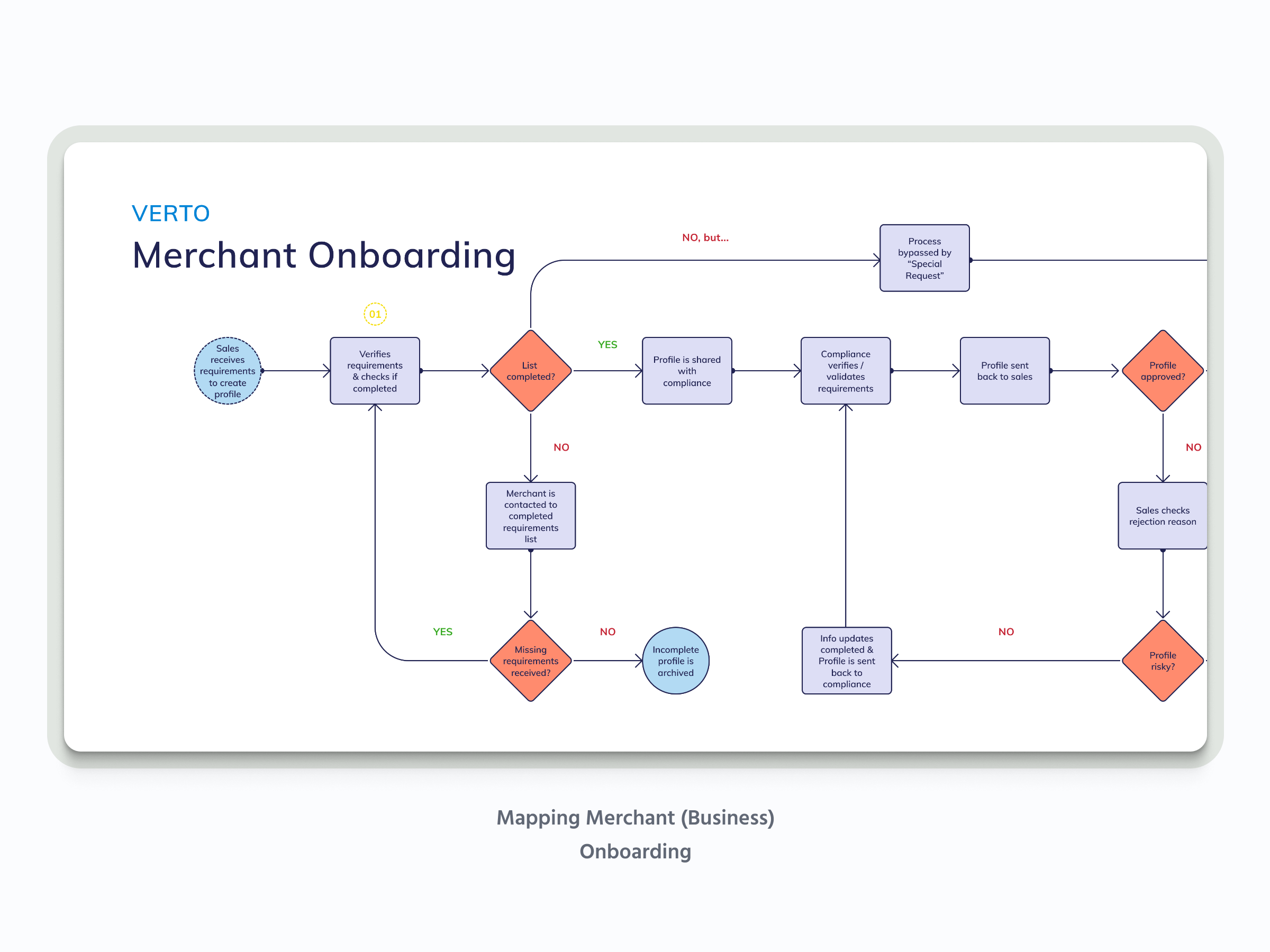
Our first team meeting was all about making sure everyone understood the goals. We had people learn about departments other than their own – a great way to break down walls. We set deadlines, and then another workshop to review findings, fix the process maps, and define requirements.
Next up: deep dives with each department. I learned how they worked, who did what, the tools they used (including the old, not so great VERTO), the problems they had, and what the testing banks had said.
With all that info, I ran a workshop to review what we'd found, assigned people to dig deeper, and adjust the plan. I did that a lot, really. We were always updating the plan.
Our first team meeting was all about making sure everyone understood the goals. We had people learn about departments other than their own – a great way to break down walls. We set deadlines, and then another workshop to review findings, fix the process maps, and define requirements.
Digging Deeper: Understanding the Processes
My UX research was all about getting into the details. For each process, I looked at:
• How it works now (and why).
• Who's involved (and their roles).
• Tools & communication.
• How long it takes.
• The impact on customers.
• How it works now (and why).
• Who's involved (and their roles).
• Tools & communication.
• How long it takes.
• The impact on customers.
Shaping the Solution: Planning and Priorities
That gave us a clear picture of what was needed and what was broken. I presented this at a stakeholder meeting, helped with project planning, figured out what other software we needed, and decided to bring in a UI design agency to speed up the process.
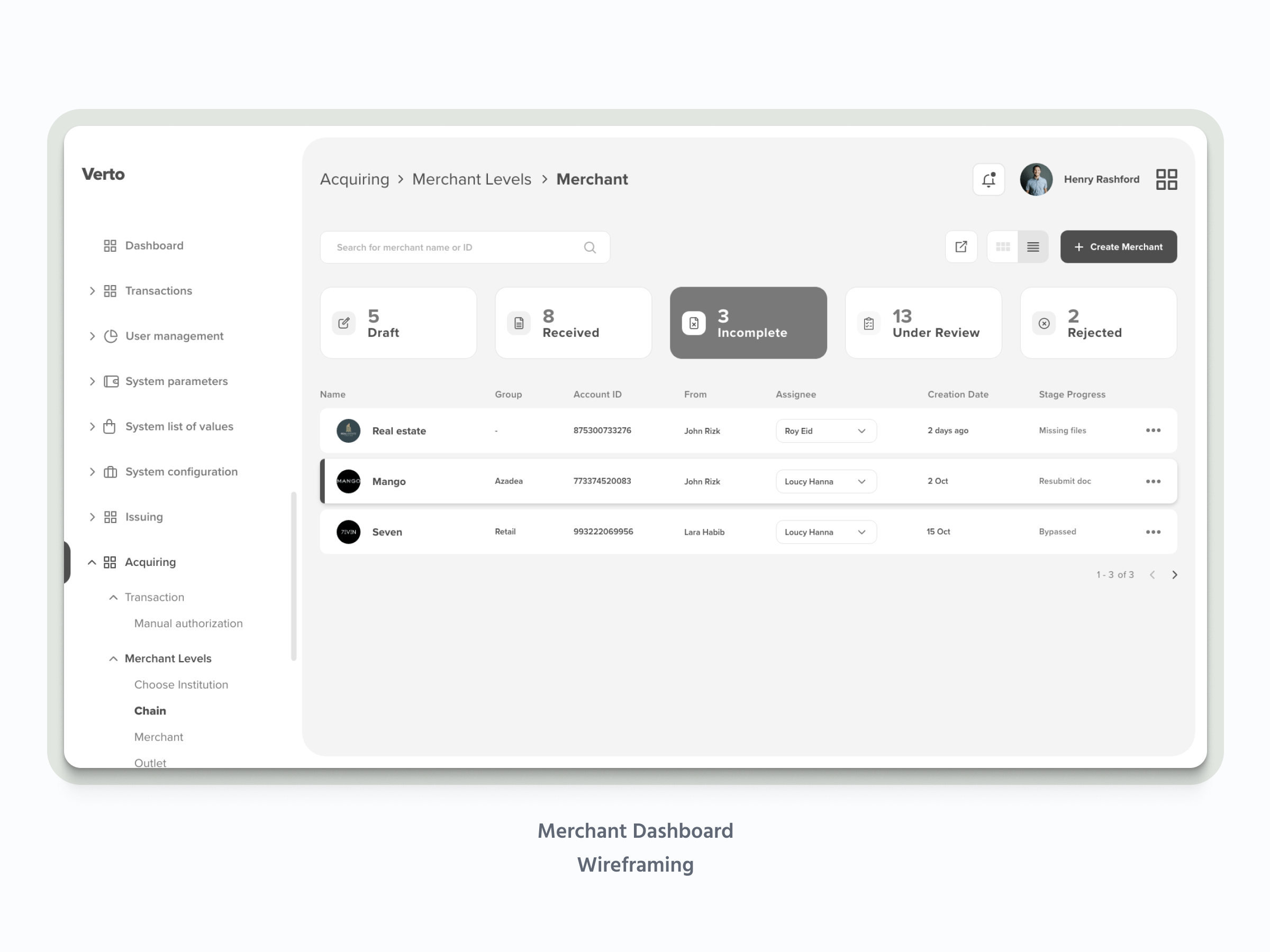
We prioritized features to build a roadmap, and then brainstormed: user roles, a VERTO ID, the system's structure, and user profiles (following all the rules, of course!).
We prioritized features to build a roadmap, and then brainstormed: user roles, a VERTO ID, the system's structure, and user profiles (following all the rules, of course!).
Building & Refining: Collaboration in Action
I ran a workshop to get the design agency up to speed. We split into teams, assigned tasks, started a design system, and maintained a comprehensive journal.
The design teams then:
• Watched users and improved the process maps.
• Found pain points (at areeba and the banks).
• Sketched out how to improve key tasks.
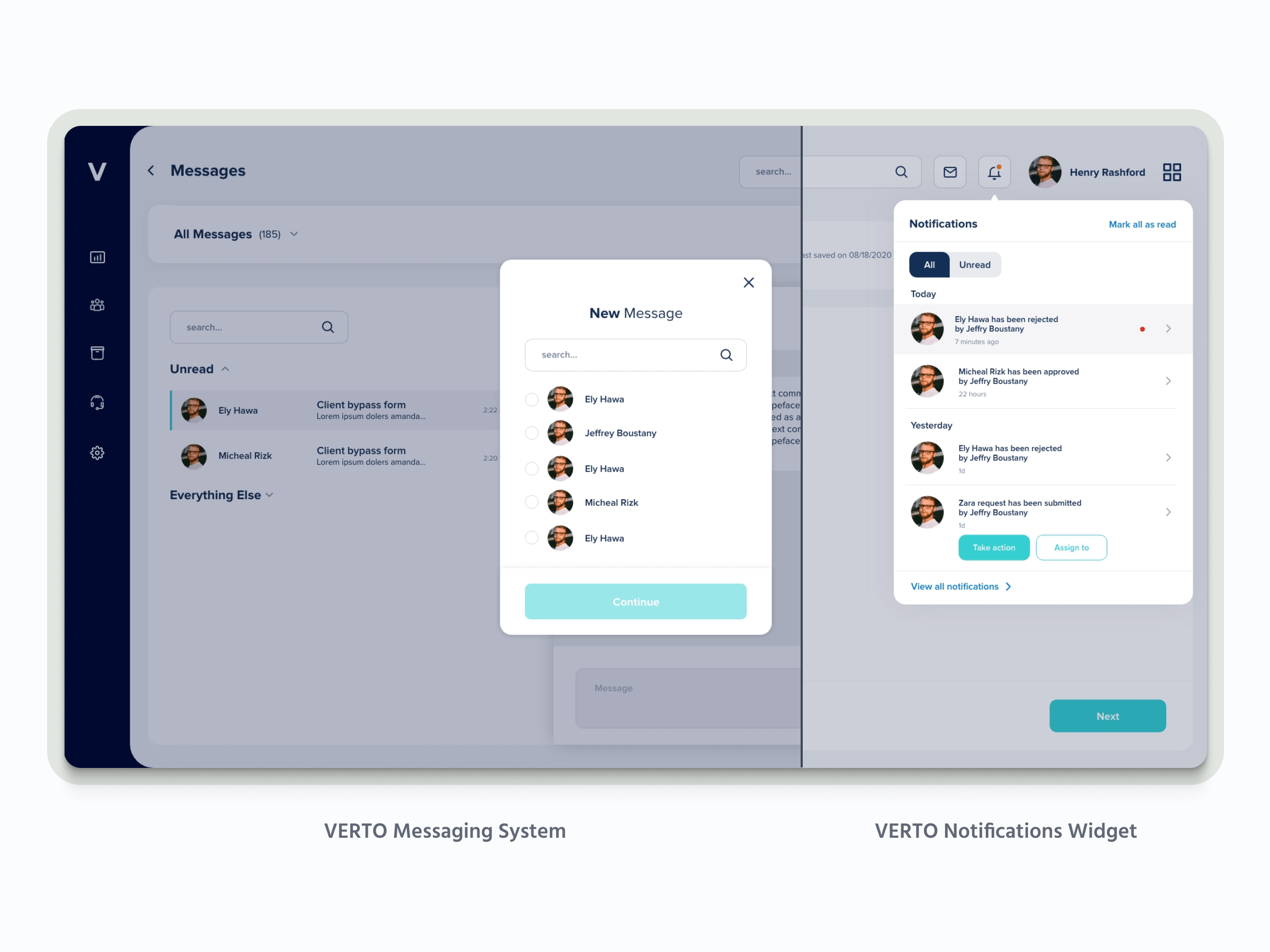
We had regular workshops to analyze what we found, come up with solutions, figure out how to onboard banks and customers, and keep improving the design system. I always updated the stakeholders after each workshop.
The design teams then:
• Watched users and improved the process maps.
• Found pain points (at areeba and the banks).
• Sketched out how to improve key tasks.
We had regular workshops to analyze what we found, come up with solutions, figure out how to onboard banks and customers, and keep improving the design system. I always updated the stakeholders after each workshop.
The Outcome: A Foundation for the Future
I was in charge of driving the project, sharing knowledge, and building areeba's design team. My contract ended when we finished the first version of the onboarding process. I documented everything and helped hire the new design lead.
The new VERTO fixes the old version's problems. It's built on tons of user research, fits perfectly with areeba's other services, and follows all the regulations. It's set to be a leader, giving customers a secure and easy way to bank digitally.
The new VERTO fixes the old version's problems. It's built on tons of user research, fits perfectly with areeba's other services, and follows all the regulations. It's set to be a leader, giving customers a secure and easy way to bank digitally.
VERTO - Digital Banking System